Depth, diameter and cage position, checked while the hole is still open.
Piers turn up on Box Hill lots where the engineering has to carry load through reactive Wianamatta clay to something firmer, and on the sloping ground toward the creek lines. Depth is the entire point of the exercise and it is the one thing nobody can verify afterwards, so the inspection has to sit between boring and concrete.
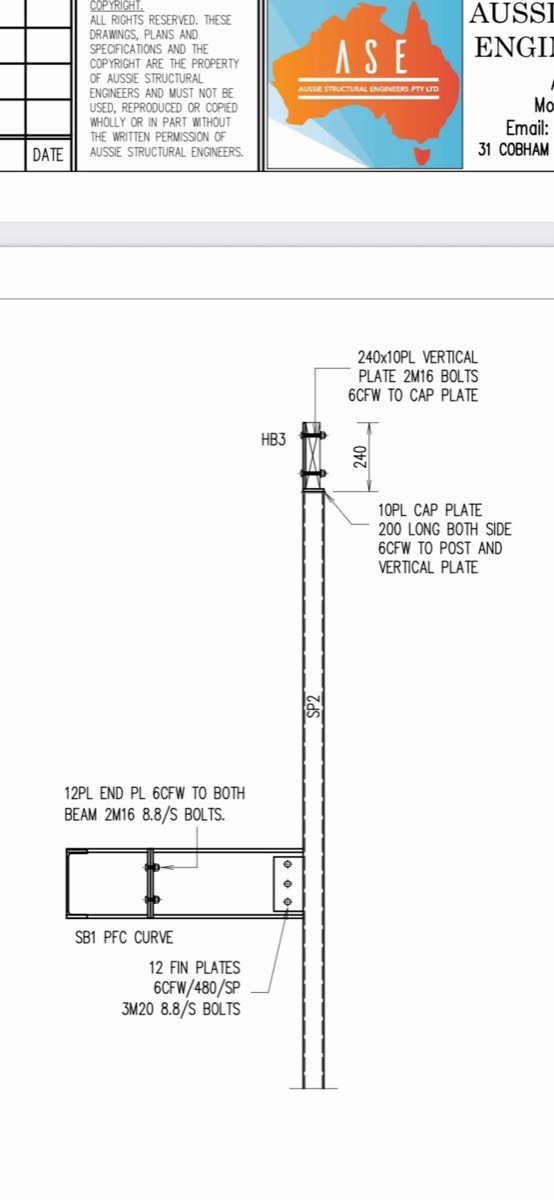
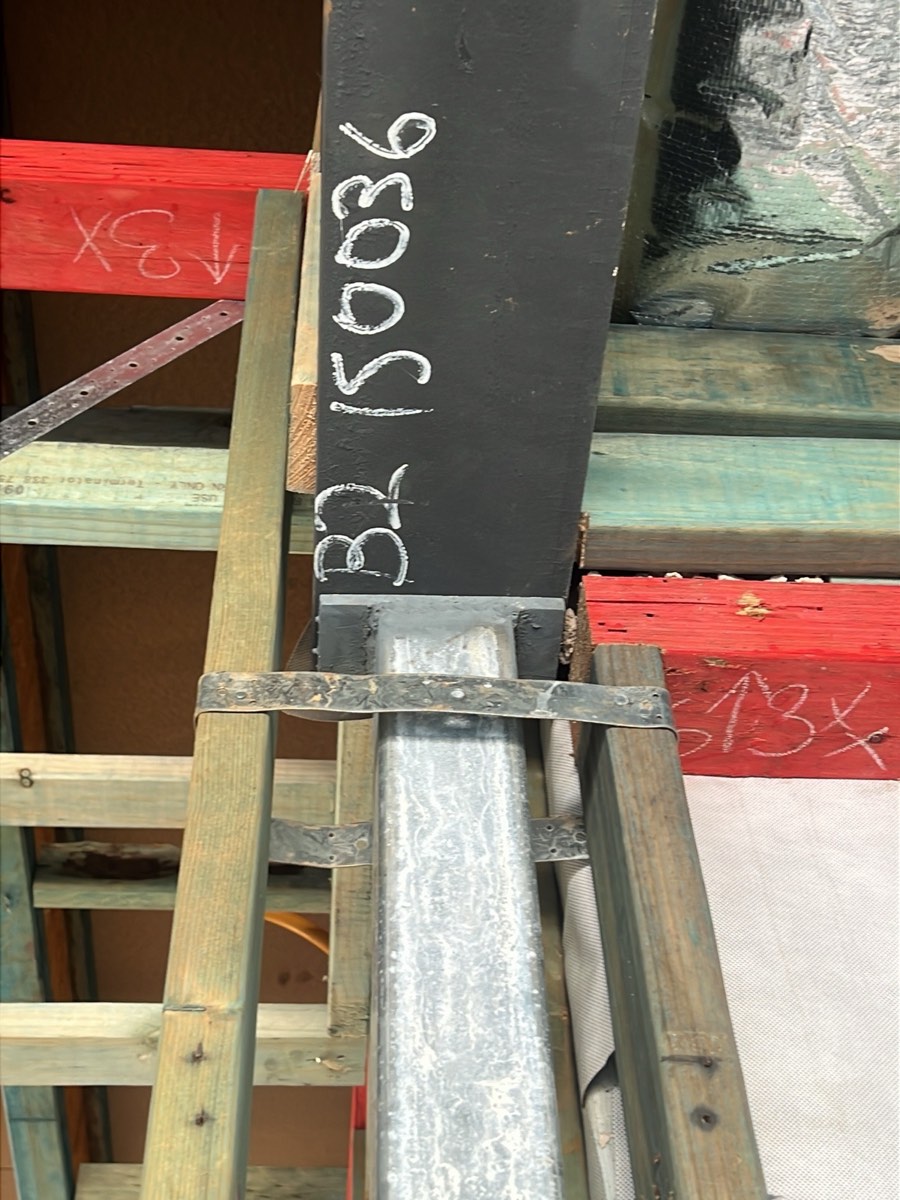
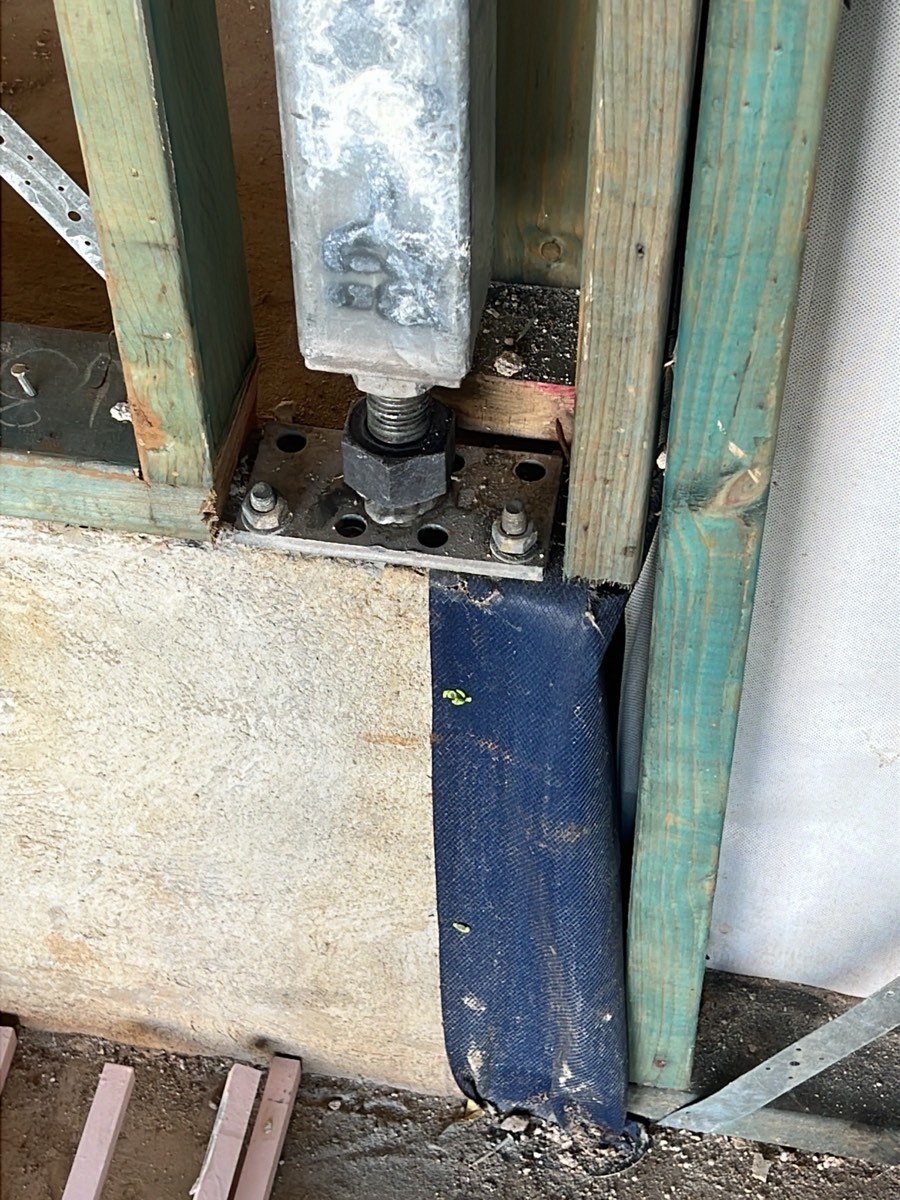
Annotated findings from Bored piers inspections on Box Hill builds. Client addresses withheld.
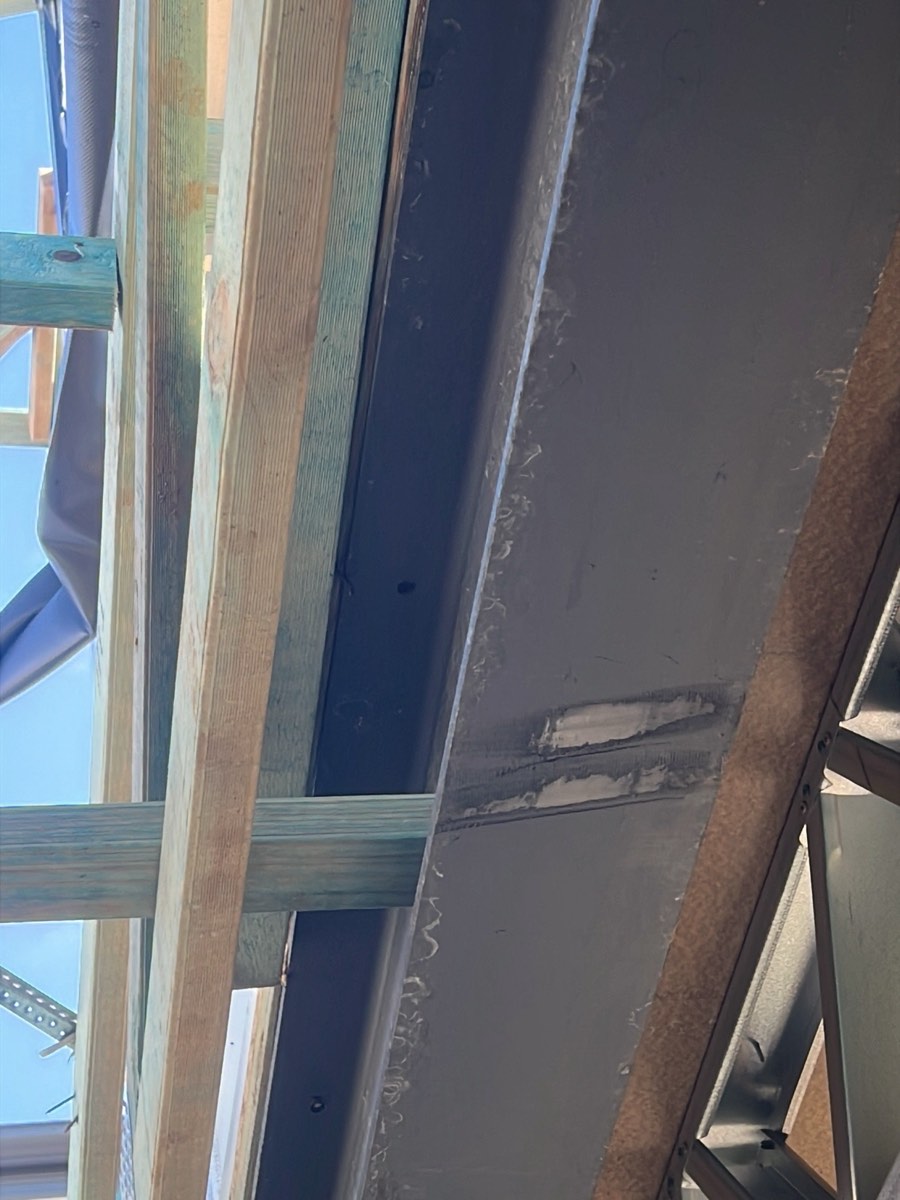
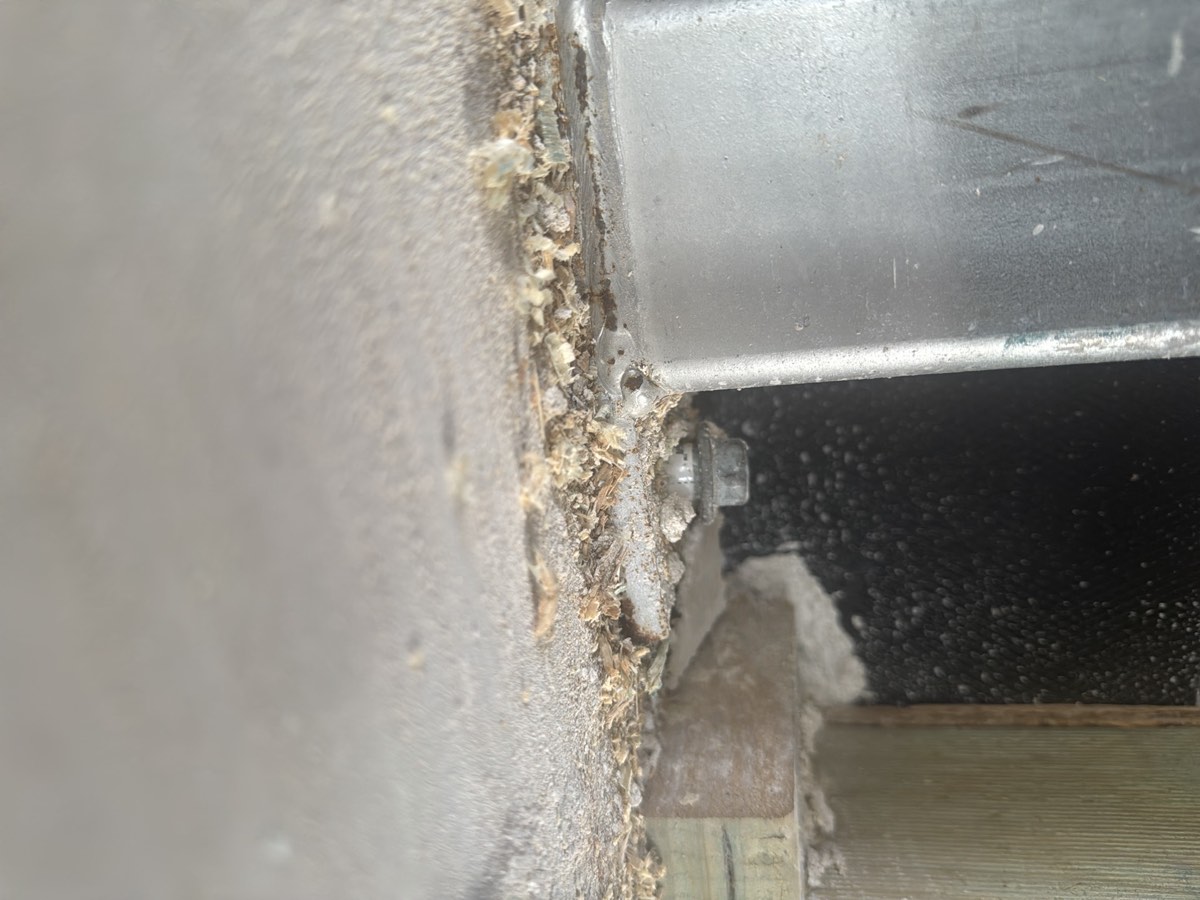
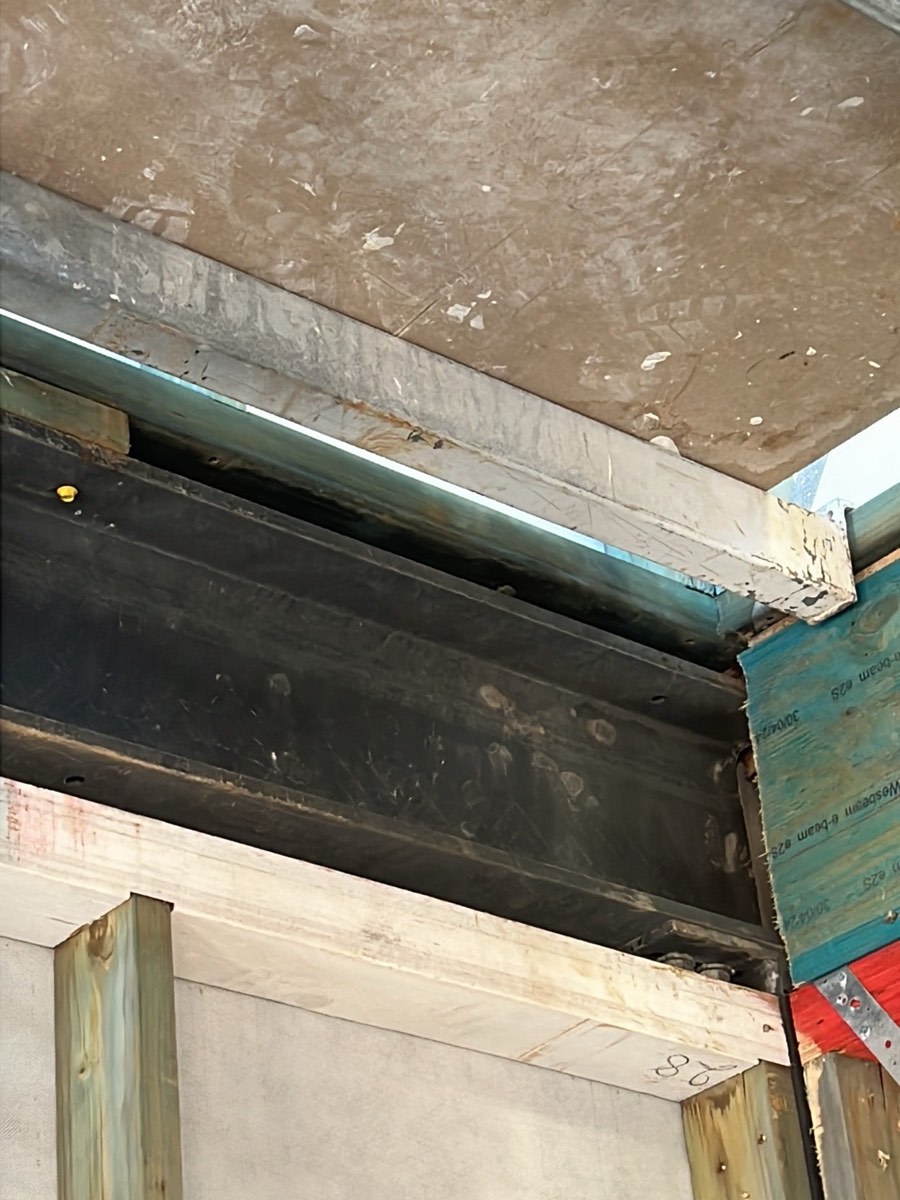 2Slab pre-pourThe day before the pour, steel and formwork complete
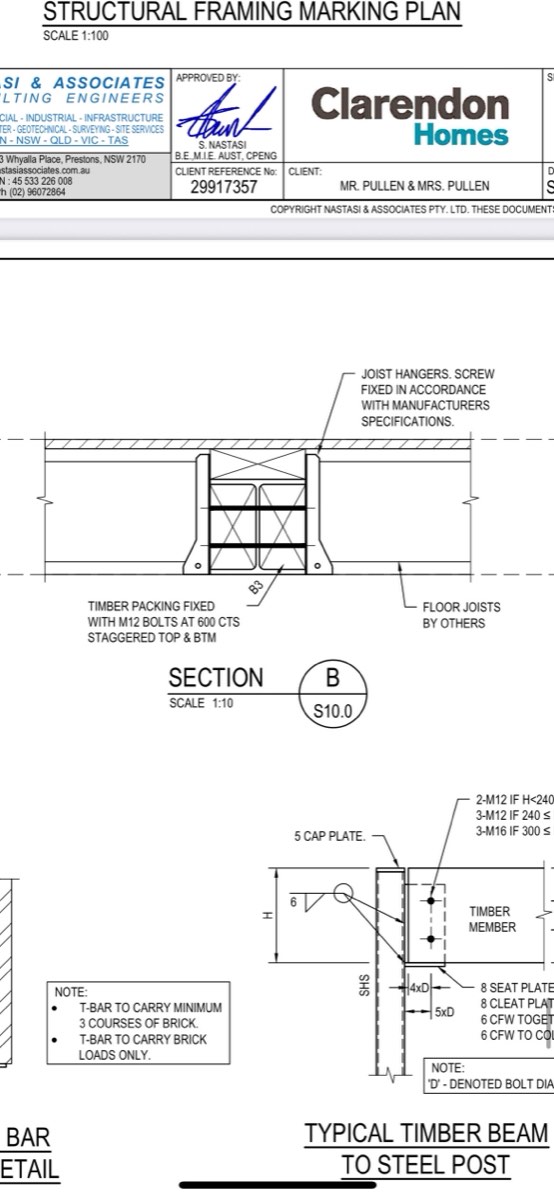 3FrameOnce frame and trusses are up and the roof is on, before lining
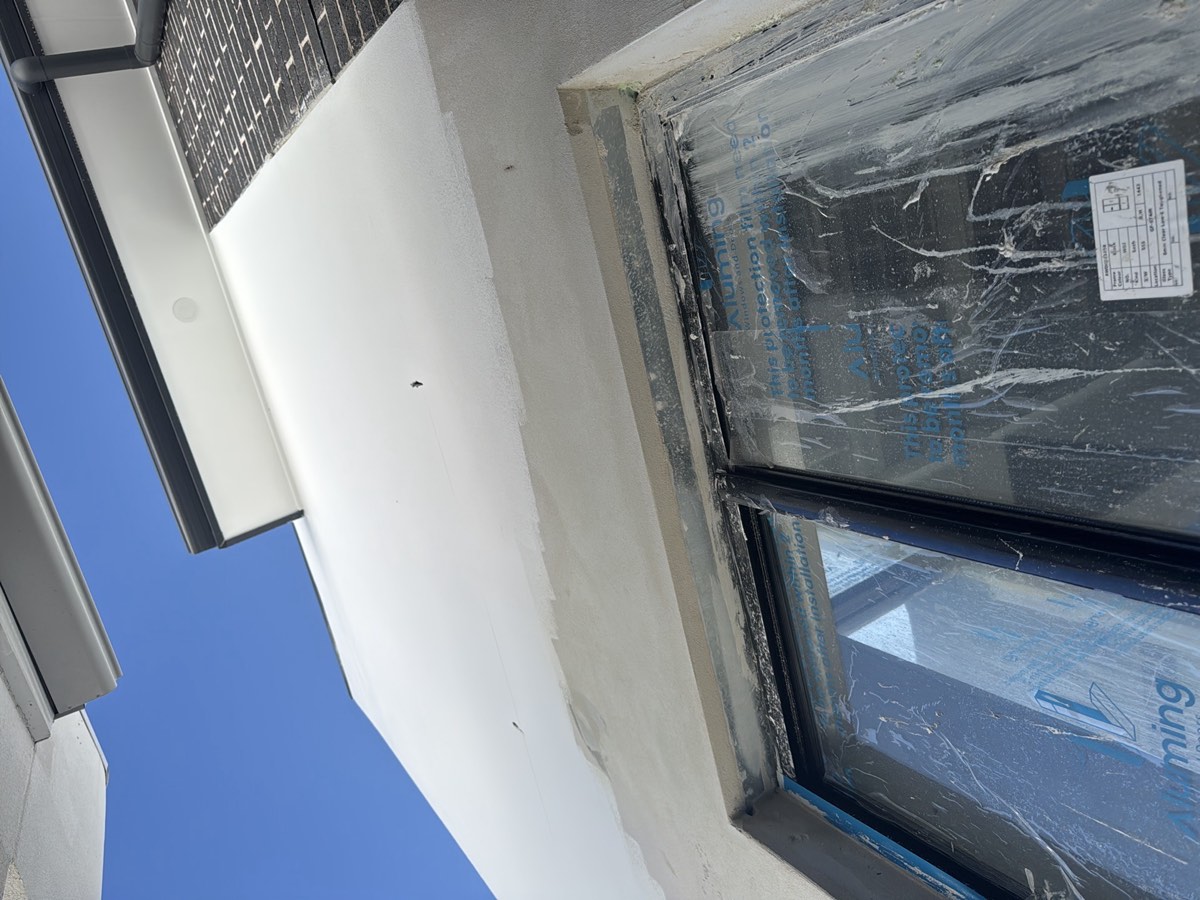
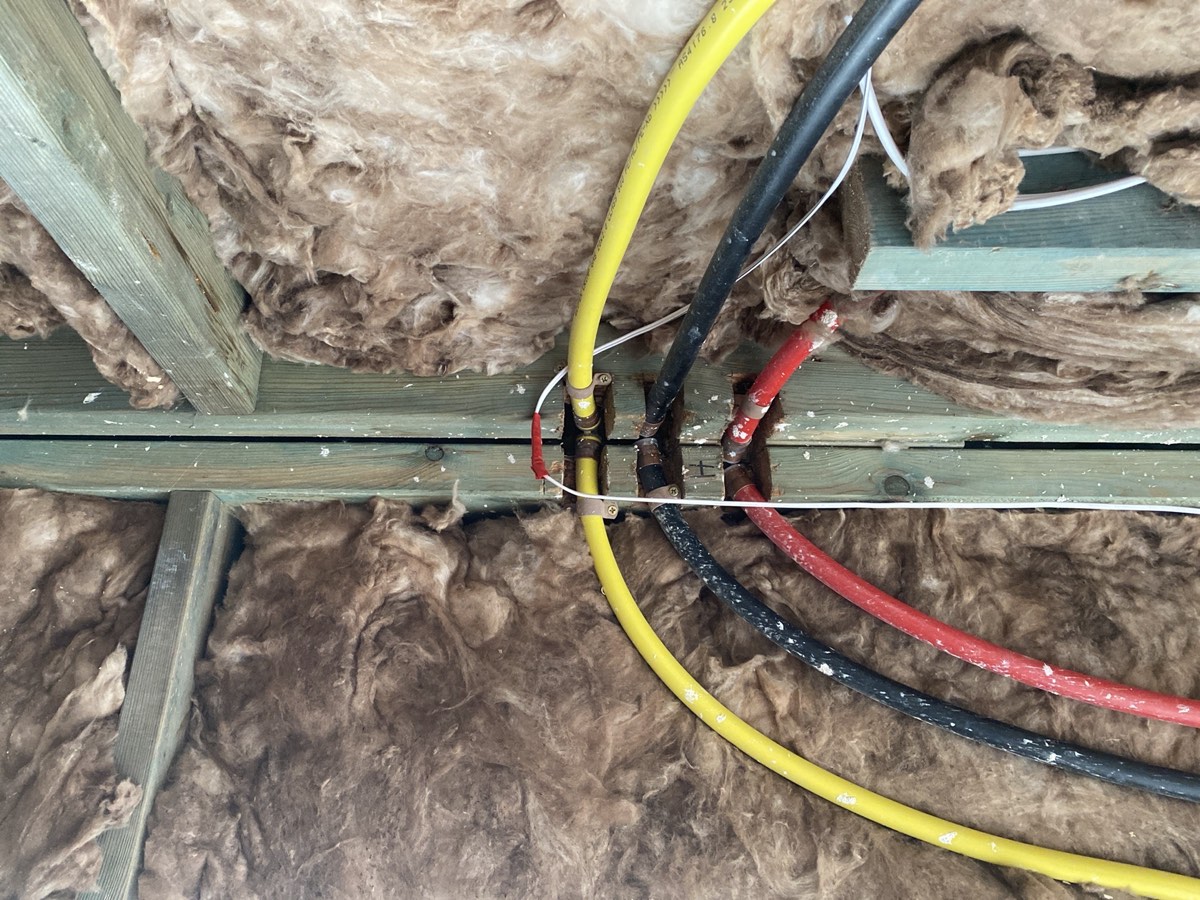 4Lock-up (pre-plaster)After roof, cladding and external doors, before plaster
 5FixingAfter mouldings, doors and joinery, before the painter
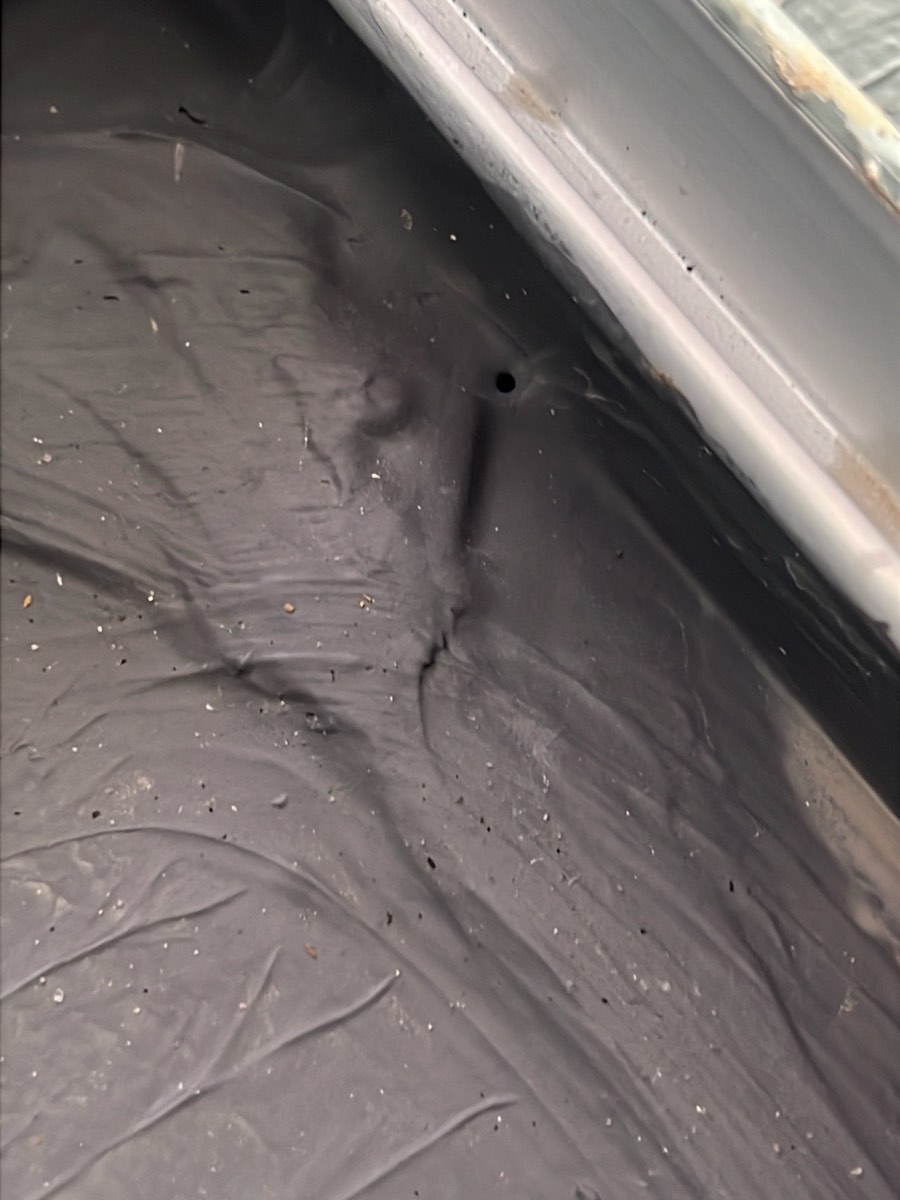 6WaterproofingAfter the membrane is applied and before any tile is laid
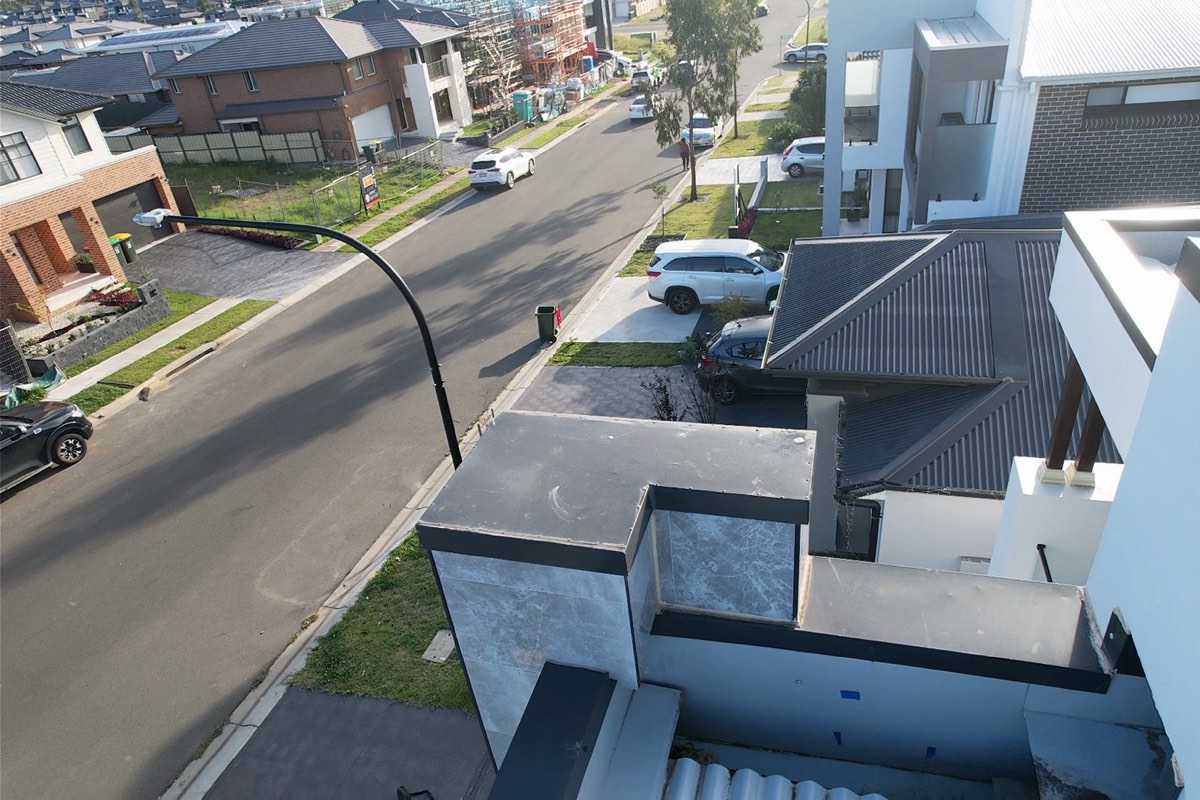 7Pre-handover (PCI)Two to three weeks before your handover date
Instant online pricing, or talk to the booking team on 1300 471 805.
Under an hour on a standard residential lot, longer where the pier count is high or moving around the site is difficult.
We put the depth we measured next to the depth that was required. Proposing a remedy belongs to the builder and their engineer; establishing the discrepancy while it is still visible is our part.
No. Our observations are set against the engineering. Certifying a footing system is an engineer's function and the report says where one is needed.
It can, because concrete placed into water does not reach its designed strength at the base. Recording it lets the bore be pumped out before the pour rather than argued about later.
Usually within a day. Piers are frequently bored and filled inside forty eight hours, so call when the date is set rather than when it is certain.
Your lot's engineering drawing, showing pier depths, diameters and where each one sits. Lacking it, we can describe what is present but not confirm it against what was specified.